One Day, Endless Possibilities: How Grande Prairie's “Try-It Day” Is Building a Stronger Sports Community
In the heart of Grande Prairie, Alberta, and surrounding communities, a quiet revolution takes place twice a year in local pools and studios, and on rinks, courts, and fields. Though it’s a city often known for its industrious spirit and rugged landscapes, one of its more significant investments in the future is made on a Saturday through a not-so-little local sports initiative known as “Try-It Day.”
Now in its 12th year, the event has served as a bridge between curiosity and commitment. The concept is straightforward but has lasting impact; instead of parents shelling out hundreds of dollars for registration and equipment only to find their child has no interest in the sport three weeks later, the community offers a free test drive. This "try before you buy" model is the ultimate barrier-breaker and has bred too many success stories to count.
Heather Llewellyn, Executive Director of Grande Prairie Regional Sport Connection, works year-round to make Try-It Day a success, starting with booking venues a year out, and choosing a Saturday that doesn’t also have a festival or other competing sports event.
“Families spend an afternoon discovering whether their child has a natural affinity for the martial arts or a hidden talent for fencing without the pressure of a season-long financial commitment,” says Heather.
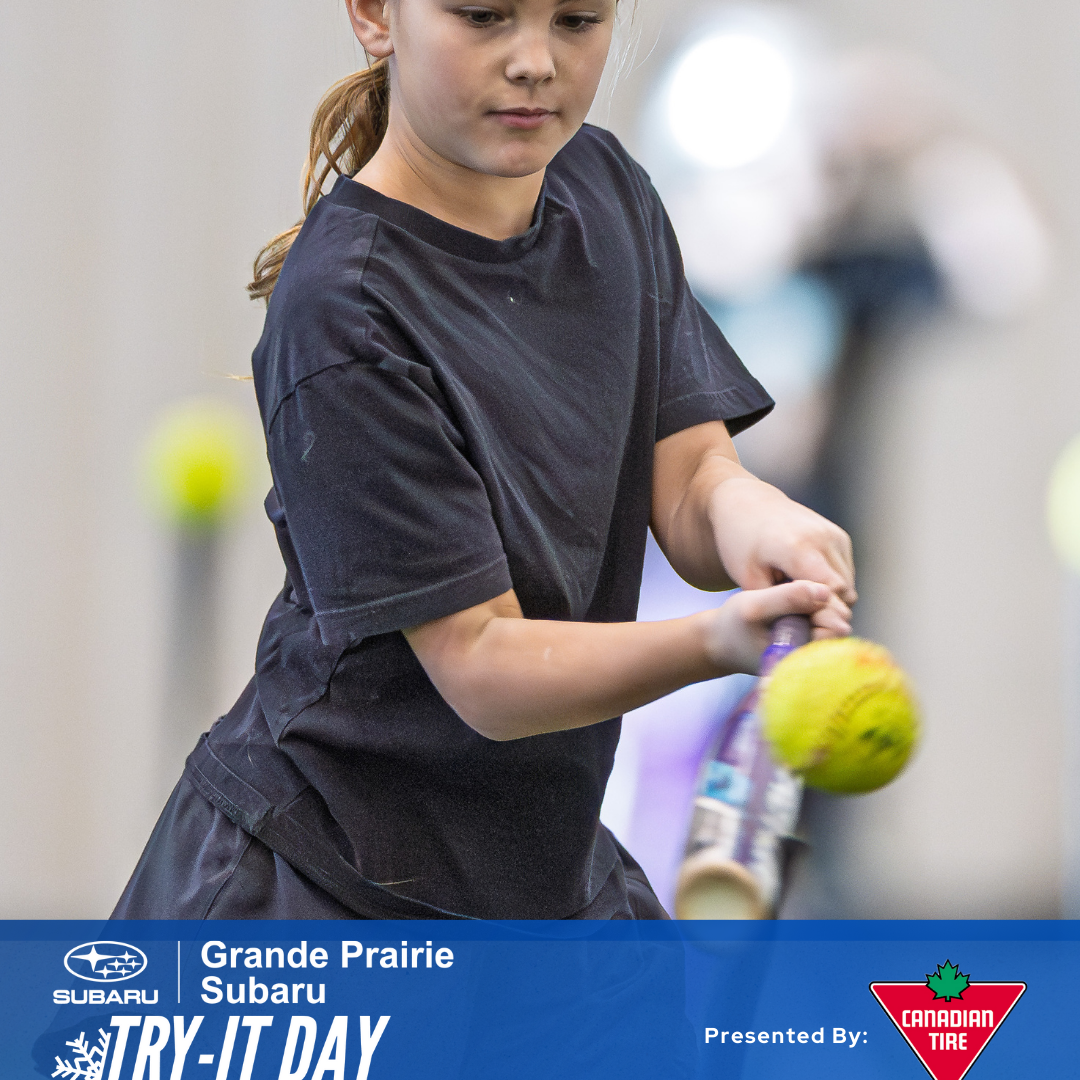
Built on a similar model to Calgary’s “All Sport One Day” event, Grande Prairie tailored their own version to meet a smaller city’s needs. What started as a modest experiment has blossomed into a staple on the local calendar, typically attracting between 500 and 700 children twice a year, once in January and once in September. Each event hosts between 20 to 30 different clubs, offering upwards of 35 distinct activities.
“Registration opens 10 days before, at 7am,” says Heather. By 7:01, there are already 80 families in the queue.
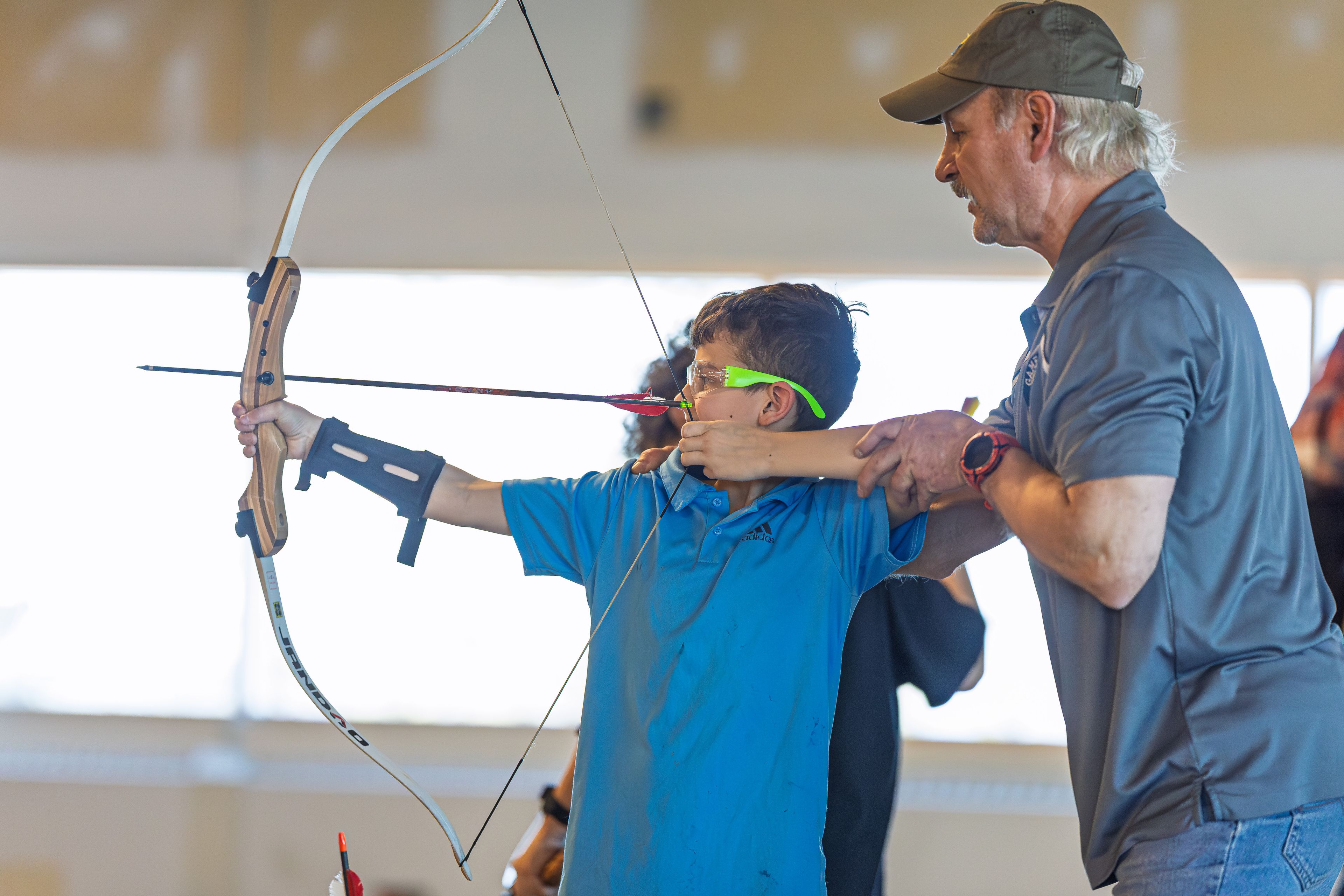
The scale of the sports landscape in Grande Prairie is surprisingly vast. While many people immediately think of hockey, baseball, or soccer when they picture Canadian athletics, the region boasts a database of over 80 different sports. Try-It Day acts as a spotlight for the niche organizations that might otherwise struggle to find their audience. Fencing, archery, speed skating, and various martial arts clubs stand on equal footing with the major league giants on Try-It Day, growing their clubs and attracting the interests of students between ages 6 and 17, ensuring that the local sports ecosystem remains diverse and vibrant.
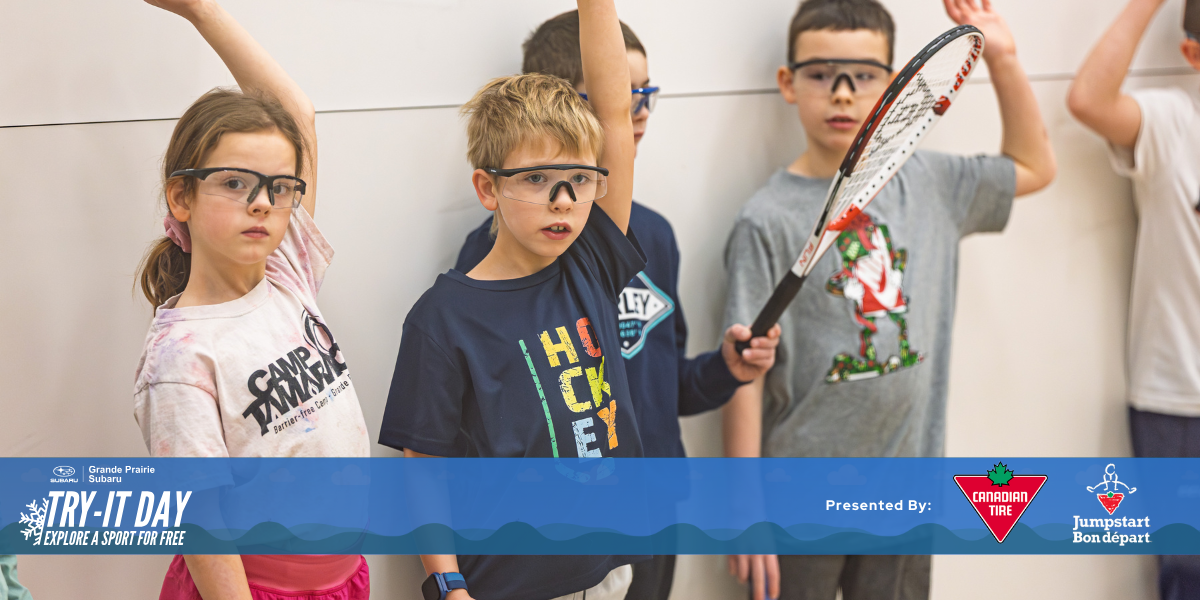

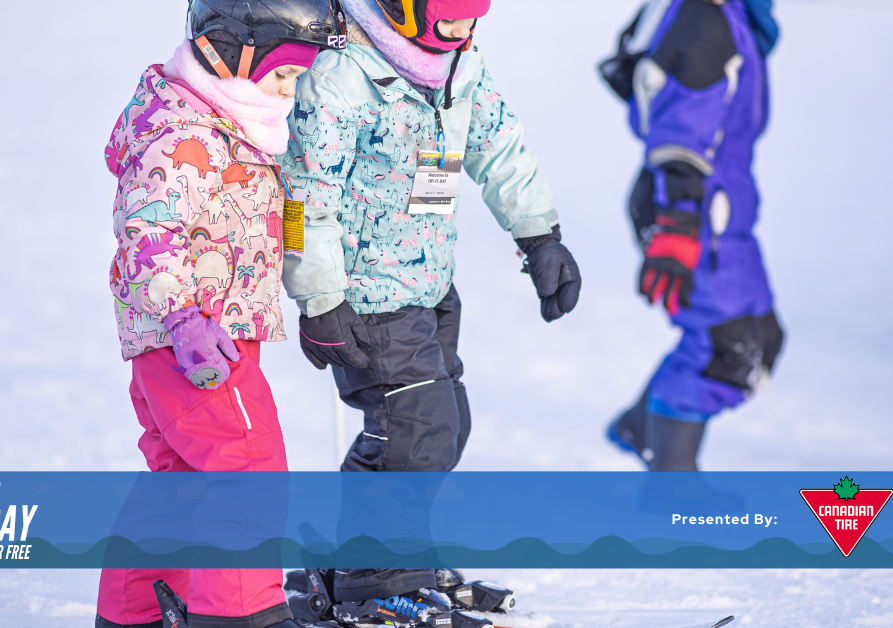
The vibe of the showcasing club becomes just as important as the sport itself. Families get to meet the coaches, see the facility, and understand the culture of the organization before making a long-term commitment.
The true measure of success for Try-It Day is found in the long-term stories of the athletes who discovered their calling there. One of the most compelling examples of this impact is the journey of a local speed skater, Derian Boechler, who is now representing the region at the Arctic Winter Games. A single afternoon of free exploration sparked a fire in Derian that led to years of dedication and training. And the success of the speed skater did not just stop
at personal achievement; it transformed the entire family. Today, Derian is is heading to international competition while the parents have become pillars of the sport. His mother has taken on the role of commentator, lending her voice to the excitement of the races, and his father serves as an official managing the meet.
A local fencing club recently brought forward a new assistant coach who found fencing at Try-It Day, and a martial arts enthusiast tried out a class in 2021, and is now teaching it four years later. One Judo club was reported to have grown from six kids in a class to eighteen after a single event. The club has recently become a registered non-profit, with guidance from Sport Connection along the way.
One of the more surprising measures of Try-It Day's success is when clubs stop showing up.
If a club's roster is full, if there's a waiting list, if the've grown past the point of needing new exposure, they no longer need Try It Day. New clubs take their place, and the sports community grows.
This story highlights the ripple effect of these events. A single day of "trying" can lead to a lifetime of involvement, not just for the participant, but for the community of volunteers that keeps local sports alive.
“It proves that when you lower the barrier of entry, you do not just find athletes; you build an entire support system of coaches, officials, and enthusiasts,” says Heather.
The impact of Try-It Day extends far beyond the scoreboard. It is about community health, social connection, and the development of character. By making sports accessible, Grande Prairie is ensuring that its youth are active, engaged, and learning the valuable life lessons that come with athletic pursuit: resilience, teamwork, and discipline. By fostering an environment where youth can try archery in the morning and martial arts in the afternoon, a city builds a more inclusive and spirited future.
How to Get Involved
For families looking to explore a new sport, go to GPSportConnect.ca to access a central hub for every registered sport in the Grande Prairie region. To find out more about the next Try- it-Day visit: gpsportconnect.ca/events/try-it-day

